+86-159 6291 3930
Home / Product / Counting Machine / Capsule/Tablet/Pill Counting Machine

Lane Tablet/Capsule/Pills Counting Machine Custom

About Us

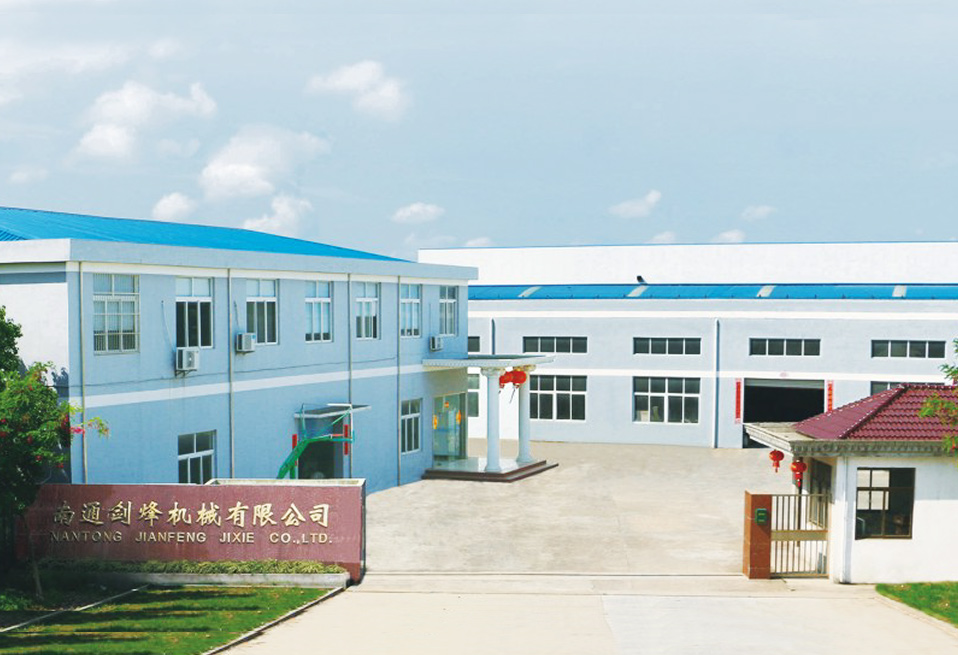
Nantong Jianfeng Machinery Co., Ltd. is a professional engaged in research and development, production, management of pharmaceutical and food machinery, science and technology enterprises. Founded in 1984, covers an area of 12000 squaremeters,construction area of 6000 square meters, with annual sales of more than 25 milion . With the professional design, R&D, manufacturing and installaton and commissioning team, has developed into a certain scale pharmaceutica supplier.

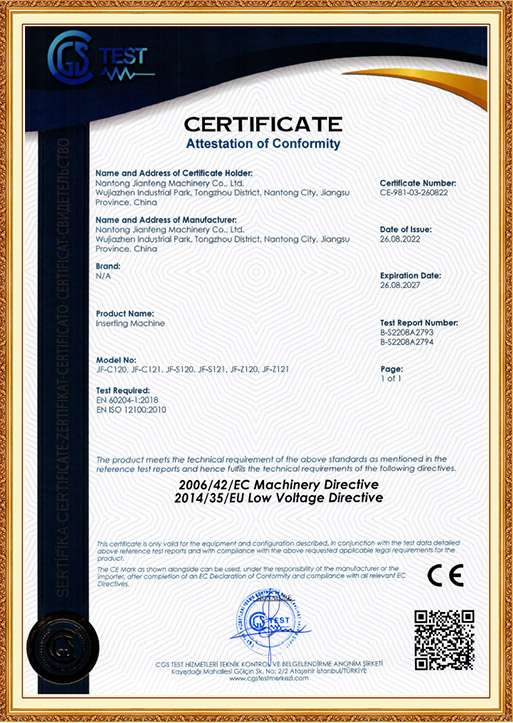
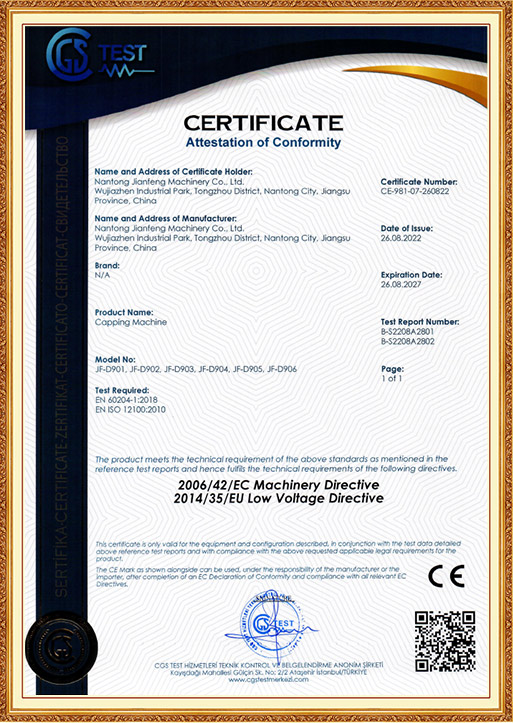
As China Lane Tablet Counting Machine Manufacturers and Capsule Counting Machine Suppliers, Jianfeng Machinery has constantly transformation in recent years, product innovation, independent R & D and production of Cotton Stuffing Machine, Counting & bagging machine, Automatic machine for cotton ball, multifunctional labeling machine, capping(pressing) machine and etc,. In 2015 had passed the CE, ISO product certification, 2016 went on and certified 7 utility model patent issued by the State Property Bureau. We have been favored by customers with professional technology, high-quality products, professional manufacturing processes, outstanding management and intimate service, and won wide domestic and foreign markets.

We are located in Wujia industrial park, Tongzhou district .Nantong cityJiangsu province. Close to Shanghai, superior position and convenient trafic. ln this area full of opportunities, customers needs are the foundation of our survival and meeting customers needs is the driving force of our development. By holding the business philosophy of “customer centered, serving customers whole-heartedly” and sticking to the principle of “advanced technology ,elaborate manufacturing,truth-seeking and pragmatism, considerate service” ,our company provides high quality products and sincere service for customers. Our survival and development space will become wider only through continously innovating and surpassing ourselves.

Honor

  • honor
    Patent Certificate
  • honor
    Patent Certificate
  • honor
    Patent Certificate
  • honor
    Patent Certificate
  • honor
    Patent Certificate
  • honor
    Patent Certificate

News

Contact us now

Capsule/Tablet/Pill Counting Machine

In the fast-paced world of pharmaceutical and nutraceutical manufacturing, precision and efficiency are paramount. Accurately counting and packaging tablets, capsules, and other solid dose products is a critical step that directly impacts product quality, regulatory compliance, and profitability. While various methods exist for counting, lane tablet counting machines have emerged as a gold standard for their unmatched accuracy and high-speed capabilities. This guide is for pharmaceutical manufacturers, supplement companies, and packaging professionals seeking to understand the technology, benefits, and selection process for these essential pieces of equipment.

What are Lane Tablet Counting Machines?

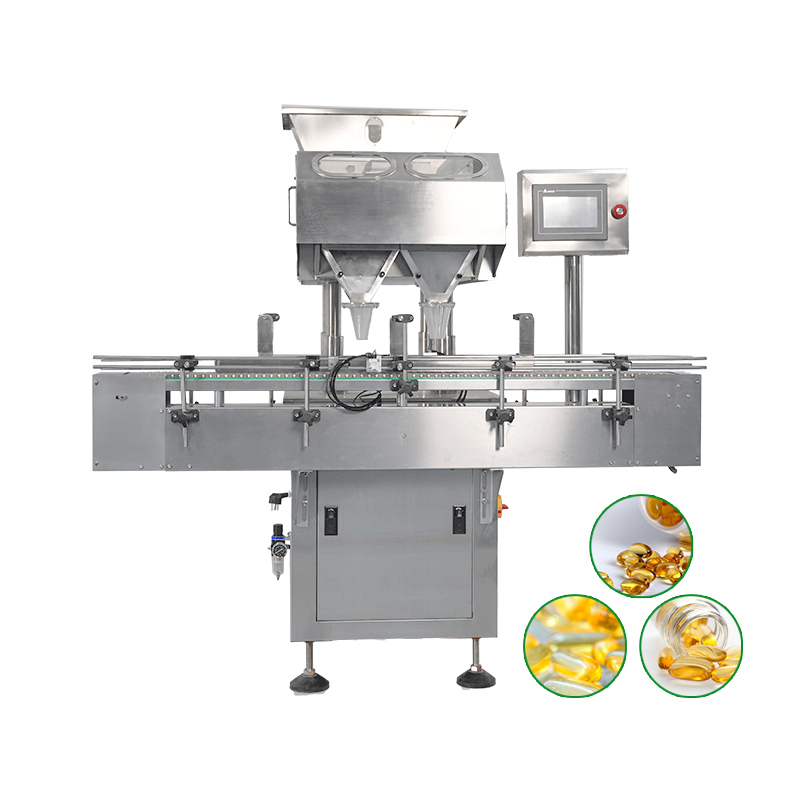
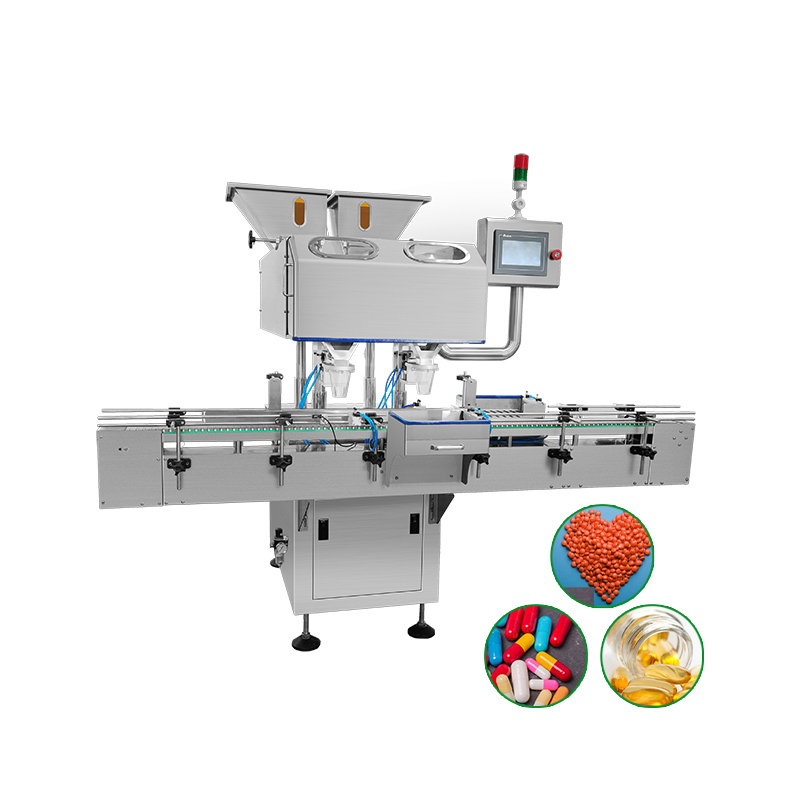
A lane tablet counting machine is a specialized piece of equipment designed to count tablets, capsules, and other solid oral dosage forms with exceptional precision and speed. The name "lane" refers to the core technology, where a series of channels or lanes are used to separate and guide individual products for counting. This is a significant advancement over older methods, offering a streamlined and highly accurate counting process.

How Lane Counting Works

The process begins with a hopper where bulk products are loaded. A key component, the vibratory feeding system, then gently shakes the products to align and singulate them into multiple, parallel lanes. As the tablets or capsules move down these lanes, they pass through a high-speed counting sensor, typically an infrared or optical system. This sensor precisely detects each product as it passes, registering a count. Once the pre-set count is reached for a specific bottle or container, a gate or shutter at the end of the lane opens to release the counted batch. This allows for continuous, high-speed counting and filling.

Lane Counting vs. Other Methods

To understand the superiority of lane counting, it's helpful to compare it to other common counting methods:

  • Volumetric Counting: This method fills a container to a certain volume, assuming a uniform size and density of the products. This is highly inaccurate and prone to errors, as slight variations in tablet size or shape can lead to incorrect counts. It is not suitable for applications requiring high precision.
  • Weight-Based Counting: This method determines the count by weighing the total batch and dividing by the average weight of a single tablet. While more accurate than volumetric methods, it is still susceptible to errors from variations in individual product weight or from dust and debris, which can affect the final weight reading.
  • Rotary Disc Counters: These machines use a rotating disc with pockets to pick up and count tablets. While effective, they are generally slower than lane counters and can be less flexible when it comes to handling different product shapes and sizes, often requiring expensive change parts for each product.

Lane counting technology surpasses these methods by providing a direct, piece-by-piece count. This mechanical and optical precision is what makes it the standard for pharmaceutical and nutraceutical industries.

Key Components of a Lane Tablet Counting Machine

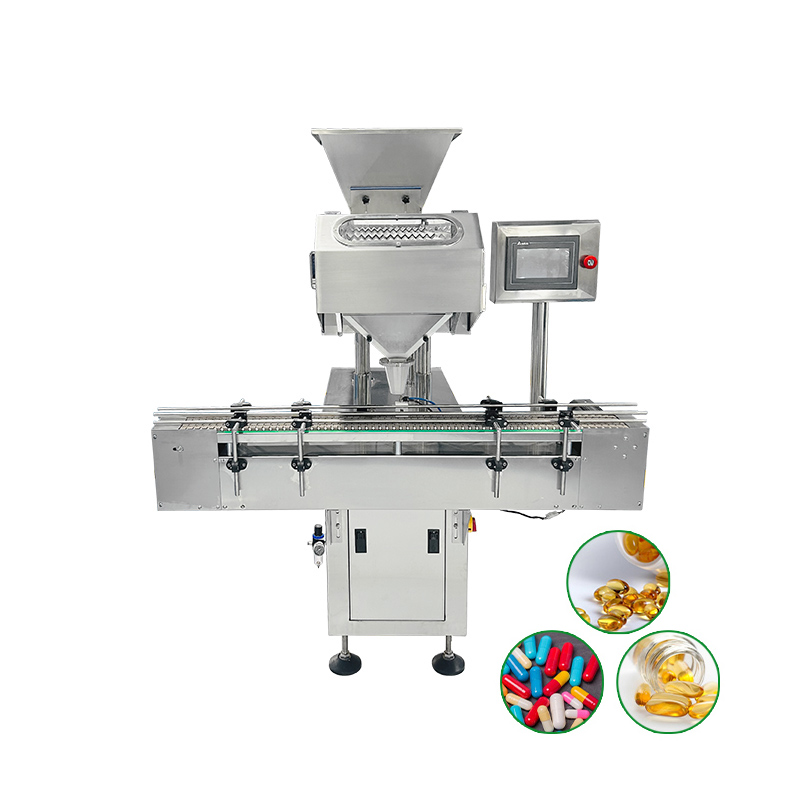
A typical lane counting machine, like those developed and manufactured by Nantong Jianfeng Machinery Co., Ltd., consists of several key components working in harmony:

  • Product Hopper: A large, stainless steel container at the top of the machine where bulk tablets or capsules are loaded.
  • Vibratory Feeding System: This component, often with multiple stages, uses controlled vibrations to align products and feed them evenly into the counting lanes.
  • Counting Lanes: A series of parallel channels that guide the singulated products.
  • High-Speed Sensors: Located at the end of each lane, these sensors (typically optical or infrared) accurately count each product as it drops.
  • Control System and HMI: A programmable logic controller (PLC) and a user-friendly Human-Machine Interface (HMI) screen allow operators to set batch counts, adjust speed, and monitor the process.
  • Bottle/Container Conveyor: An integrated system that moves empty bottles into position for filling and transports filled bottles to the next stage of the packaging line.

The advanced design and engineering of machines like those from Nantong Jianfeng Machinery Co., Ltd., which has over 40 years of experience in the field, are critical to ensuring the reliability and accuracy demanded by today's market.

Types of Lane Tablet Counting Machines

Lane tablet counting machines are not a one-size-fits-all solution. They are available in various configurations to meet the diverse needs of different production environments, from small-scale operations to high-volume manufacturing lines.

Based on Speed and Capacity

The most significant differentiator is the number of counting lanes, which directly correlates with the machine's speed and throughput.

  • Single-Lane Counters: Ideal for small-scale operations, R&D labs, or pharmacies, these machines are compact and designed for low-volume production. They are perfect for startups or companies testing new products before scaling up.
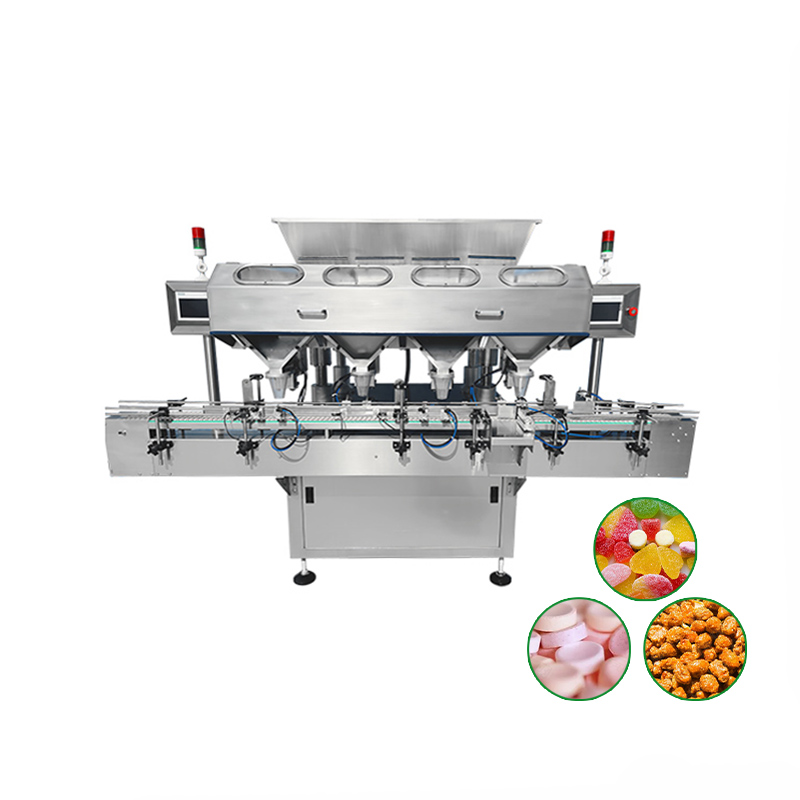
  • Multi-Lane Counters: These are the workhorses of the industry, featuring multiple parallel lanes (e.g., 8, 12, 16, or more) to count products simultaneously. Multi-lane machines offer significantly higher throughput, making them essential for high-volume pharmaceutical and supplement manufacturing.
Parameter Comparison:
Feature Single-Lane Counter Multi-Lane Counter
Throughput (approx.) 20-60 bottles/min 60-200+ bottles/min
Lanes 1-2 8-32+
Application R&D, small batches, pharmacies Large-scale production, continuous lines
Footprint Compact, tabletop or small floor model Larger, integrated into production lines

The high-speed, multi-lane models offered by Nantong Jianfeng Machinery Co., Ltd. are a testament to the company's commitment to innovation and meeting the demands of the modern market. With advanced R&D and manufacturing capabilities, Jianfeng Machinery designs machines that provide both speed and reliability.

Based on Tablet Size and Shape Handling

While lane counters are highly versatile, some are optimized for specific product characteristics. Standard models handle a wide range of tablets, caplets, and hard or soft gelatin capsules. However, specialized machines are available for products that are particularly difficult to count, such as:

  • Irregular Shapes: Tablets with unusual shapes or chewable gummies that may stick together require specially designed vibratory systems and sensors to ensure proper singulation and a counting.
  • Dusty Products: Machines designed for dusty environments incorporate advanced dust-handling systems and sensors that are not easily compromised by powder, which is a common issue with uncoated tablets.

Manual vs. Automatic Lane Adjustment

Another key distinction is the level of automation in the machine's setup and changeover process.

  • Manual Adjustment: On these machines, operators must physically adjust the width of the lanes and other settings when changing between products of different sizes. This process can be time-consuming and introduces a potential for human error.
  • Automatic Adjustment: More advanced machines feature automated systems that can adjust lane widths, vibratory feeder speed, and other parameters through the HMI (Human-Machine Interface). This significantly reduces changeover time and ensures consistent performance across different product runs.

The continuous innovation at Nantong Jianfeng Machinery, which led to the certification of 7 utility model patents, includes developing user-friendly machines that minimize manual intervention, thereby boosting overall efficiency and quality control on the production line.

Other Specialized Features

Beyond the core types, some lane counting machines include advanced features that further enhance their capabilities:

  • Integrated Inspection Systems: Some models incorporate vision systems or sensors that can not only count but also inspect products for defects, such as broken tablets or foreign particles, rejecting non-conforming items before they are filled.
  • AI and Robotics Integration: The latest generation of counters are beginning to use artificial intelligence and robotics for even greater precision in handling and sorting complex products.

Benefits of Using Lane Tablet Counting Machines

The adoption of lane tablet counting machines represents a significant leap forward in production technology. For pharmaceutical, nutraceutical, and supplement companies, the benefits go far beyond simple counting. These machines are a strategic investment that impacts every aspect of the production and packaging process.

Increased Accuracy and Reduced Errors

Manual counting, even with the most diligent operators, is prone to human error. A single miscount can lead to under-filled or over-filled containers, which can have serious consequences ranging from customer complaints to regulatory violations and product recalls. Lane counters eliminate this risk. The precise optical or infrared sensors in a multi-lane system count each product individually, ensuring an accuracy rate of 99.9% or higher. This is critical for meeting stringent Good Manufacturing Practice (GMP) standards and ensuring patient safety. Nantong Jianfeng Machinery Co., Ltd. has prioritized this level of precision in its R&D, a factor that has earned it CE and ISO certifications.

Improved Efficiency and Throughput

Lane counting machines are designed for high-speed, continuous operation. While a human can count a handful of bottles per minute, a multi-lane counter can process hundreds of bottles per minute, depending on the number of lanes and the product being counted. This dramatic increase in throughput directly translates to higher production capacity and the ability to meet large-volume orders on time. The automation provided by these machines also reduces the need for manual labor, allowing staff to be reallocated to other value-added tasks like quality control and line supervision.

Cost Savings Through Automation

The initial investment in an automatic lane tablet counting machine is quickly offset by the long-term cost savings. By reducing labor costs, minimizing product waste from miscounts, and improving overall line efficiency, these machines provide a rapid return on investment. Furthermore, their reliable and durable construction, a hallmark of equipment from a company with a long history like Nantong Jianfeng Machinery, minimizes downtime and maintenance costs, ensuring consistent operation and maximizing profitability.

Enhanced Quality Control

In addition to counting, many modern lane counters include features that enhance quality control. These can include:

  • Rejection Systems: Automatic systems can detect and reject containers that have been miscounted, ensuring that only correctly filled products move down the line.
  • Integrated Vision Systems: Advanced machines may be equipped with cameras that inspect for broken tablets or foreign contaminants, further safeguarding product quality.

By automating these checks, companies can ensure a higher standard of product integrity, which is vital for consumer trust and brand reputation.

Compliance with Industry Regulations

The pharmaceutical and nutraceutical industries are heavily regulated by bodies like the FDA. Adherence to regulations is non-negotiable, and accurate product counting is a cornerstone of compliance. Lane tablet counting machines provide a verifiable, repeatable, and consistent process that simplifies compliance audits. The automated data logging and reporting capabilities of many modern machines provide a clear, digital record of every batch, making it easy to demonstrate adherence to regulatory requirements.

Applications of Lane Tablet Counting Machines

Lane tablet counting machines are a core technology in any industry that requires high-speed, accurate counting of small, uniform objects. While their roots are in pharmaceuticals, their versatility has led to broader adoption.

Pharmaceutical Industry

This is the primary application for lane counting technology. Prescription drugs, over-the-counter (OTC) medications, and clinical trial supplies all require absolute counting accuracy to ensure patient safety and meet strict regulatory standards like those from the FDA and GMP. Lane counters are used for a wide range of products, including:

  • Tablets: Both coated and uncoated tablets in various shapes (round, oval, etc.).
  • Capsules: Hard gelatin and vegetarian capsules.
  • Softgels: Gelatin-based softgels containing liquids or semi-solids, which can sometimes be a challenge to handle with other counting methods.

The high throughput of multi-lane systems is crucial for pharmaceutical companies that must produce millions of units per day to meet global demand.

Nutraceutical and Supplement Manufacturing

The booming nutraceutical and dietary supplement market has embraced lane counters for the same reasons as the pharmaceutical industry: accuracy, efficiency, and compliance. These machines are used to count and bottle everything from vitamins and minerals to herbal extracts and dietary supplements. The ability to handle various product sizes and shapes, including chewable tablets and gummies, makes lane counters an indispensable tool. A key challenge in this sector is handling "sticky" products like gummies, which requires specialized technology to prevent clumping and ensure accurate counting. The advanced vibratory and feeding systems in machines like those from Nantong Jianfeng Machinery Co., Ltd. are specifically engineered to address these challenges, ensuring a smooth and continuous flow of products.

Food and Confectionery Packaging

Beyond the health sectors, lane tablet counting machines are increasingly used in the food and confectionery industry. They are ideal for counting and packaging items like:

  • Mints and hard candies
  • Chewing gum
  • Snack pellets

For example, a mint company can use a lane counter to ensure that every tin or box contains the precise number of mints, maintaining product consistency and consumer satisfaction. The same principles of high-speed counting and accuracy apply here, helping companies reduce giveaway and enhance quality control.

Other Industries

The precision and speed of lane counters make them suitable for any industry that needs to count small, uniform items for packaging or distribution. This can include counting small hardware components, electronic parts, and even seeds or small agricultural products. The core technology remains the same, but the machine is customized with specialized chutes and feeders to handle the unique characteristics of the product being counted. The adaptability of Jianfeng Machinery’s products allows them to serve a broad range of clients, reflecting the company’s extensive experience and problem-solving capabilities in mechanical engineering.

Factors to Consider When Choosing a Lane Tablet Counting Machine

Selecting the right lane tablet counting machine is a critical decision that can significantly impact a company's production efficiency, quality control, and long-term profitability. While the benefits of automation are clear, a careful evaluation of specific needs and machine features is essential.

Throughput Requirements (Tablets per Minute)

This is arguably the most important factor. The machine's speed must align with your production goals.

  • Low Volume (Pharmacies, R&D): For small-batch counting, a single-lane machine with a throughput of 20-60 bottles per minute is often sufficient.
  • Medium Volume (Small to Mid-size Manufacturers): A multi-lane machine with 8 to 12 channels can provide a throughput of up to 120 bottles per minute.
  • High Volume (Large-scale Production): High-speed production lines require machines with 16 or more lanes, capable of achieving up to 200 bottles or more per minute.

Jianfeng Machinery, a company with extensive experience in the field, understands these varying needs and offers a range of models, including high-speed, multi-lane systems that can handle a wide variety of production volumes.

Tablet Size and Shape Variations

Not all products are created equal. The machine you choose must be compatible with the specific characteristics of your tablets, capsules, or softgels.

  • Standard shapes (round, oval): Most lane counters can handle these without issue.
  • Irregular shapes, chewables, and gummies: These may require specialized vibratory feeders and dust-handling systems to prevent clumping and ensure accurate counting.
  • Size range: Ensure the machine can accommodate the minimum and maximum sizes of all the products you plan to run. For example, a machine might be able to handle tablets with a diameter from 3mm to 30mm.

Accuracy Requirements

While lane counters are generally highly accurate, there are subtle differences to consider. Look for machines with an accuracy rate of 99.9% or better. Features like integrated rejection systems for miscounted bottles and advanced sensors for detecting broken products can further enhance accuracy and quality control.

Budget Constraints

The price of a lane tablet counting machine can vary significantly based on its features, speed, and level of automation. It's important to balance the initial investment with the long-term cost savings in labor, reduced waste, and increased efficiency. A more expensive machine with a higher throughput might offer a better return on investment over time for a growing business.

Available Space and Layout

Consider the machine's physical footprint and how it will integrate into your existing production line. Some machines are compact and designed for tabletop use, while others are large, fully integrated systems. The flexibility of a machine to be seamlessly integrated with other equipment—such as cappers and labelers—is a key consideration for a full automation line.

Ease of Use and Maintenance

A machine with a user-friendly HMI (Human-Machine Interface) and intuitive controls reduces the learning curve for operators and minimizes the risk of human error. Furthermore, a machine designed for quick, tool-free disassembly is much easier to clean and maintain, which is crucial for compliance with GMP standards. Jianfeng Machinery's commitment to "elaborate manufacturing" includes designing products that are not only technologically advanced but also simple to operate and service, ensuring minimal downtime.

Changeover Time and Flexibility

If you need to switch between different products frequently, the time it takes to change over the machine is a critical factor. Look for machines with automatic or semi-automatic adjustment features and a modular design that allows for rapid and efficient changeovers, saving valuable production time.

Warranty and Support

Ensure the manufacturer provides a solid warranty and reliable after-sales support. A reputable company like Nantong Jianfeng Machinery Co., Ltd., which has a proven track record since 1984, provides professional technical support and service, which is invaluable for troubleshooting and maintaining peak performance.

Maintaining Your Lane Tablet Counting Machine

A lane tablet counting machine is a precision instrument, and like any advanced machinery, its performance and longevity depend heavily on a consistent and well-executed maintenance schedule. Proper care ensures continued accuracy, prevents costly breakdowns, and helps maintain compliance with strict industry regulations.

Regular Cleaning and Inspection

This is the most crucial daily task. Product residue, dust, and fines can accumulate on sensors and in the counting lanes, leading to miscounts and machine jams.

  • Daily Cleaning: At the end of each shift or product run, the machine should be thoroughly cleaned. This involves disconnecting the power and using soft brushes, lint-free cloths, and manufacturer-recommended cleaning agents to remove all product debris.
  • GMP Compliance: Many machines, including those from Nantong Jianfeng Machinery Co., Ltd., are designed for quick disassembly, allowing for easy access to all product-contact parts for cleaning. This is essential for preventing cross-contamination, especially when switching between different products, and for meeting GMP standards.
  • Sensor Cleaning: The optical or infrared sensors are the heart of the counting process. They should be cleaned gently with a soft cloth or a specialized cleaning swab to remove any dust that could interfere with their function.

Calibration Procedures

Even with regular cleaning, a machine's sensors can become slightly less sensitive over time.

  • Periodic Calibration: To ensure continued accuracy, the machine should be calibrated on a regular schedule as per the manufacturer's instructions. This typically involves running a known quantity of product through the machine and adjusting the sensor's sensitivity settings to ensure the count is perfect.
  • Documentation: All calibration activities should be meticulously documented in a logbook. This record-keeping is vital for quality assurance and regulatory audits.

Troubleshooting Common Issues

While preventative maintenance can avert most problems, issues may still arise. Here are some common problems and their potential solutions:

  • Inaccurate Counts: The most common cause is dust on the sensors. A thorough cleaning is the first step. Other causes could be incorrect vibration settings or a jam in the feeding system.
  • Product Jams: Jams often occur at the hopper or in the counting lanes. This can be caused by incorrectly shaped products, incorrect vibration settings, or a buildup of dust and residue. A gentle clearing of the jam and an inspection of the product flow are necessary.
  • Unusual Noise or Vibration: This often indicates a mechanical issue, such as a loose screw, a worn belt, or an unbalanced motor. These issues should be addressed immediately to prevent further damage.

Importance of Preventative Maintenance

A proactive approach to maintenance is always more cost-effective than a reactive one. Implementing a preventative maintenance schedule helps in:

  • Reducing Downtime: Regular checks can identify minor issues before they escalate into major breakdowns that halt production.
  • Extending Machine Lifespan: Proper care reduces wear and tear on components, ensuring the machine operates optimally for years.
  • Maintaining Product Quality: Consistent maintenance ensures the machine's accuracy and integrity, preventing costly recalls or batches of non-conforming products.

The engineers at Nantong Jianfeng Machinery Co., Ltd. provide detailed operation and maintenance manuals and offer professional support to help customers keep their machines in peak condition, a key part of their "considerate service" philosophy.

Recommended Maintenance Schedule

Task Frequency Action
Cleaning Daily/After each batch Wipe down all product-contact surfaces, clean sensors.
Inspection Weekly Check for loose components, worn belts, or signs of damage.
Calibration Monthly/Quarterly Verify counting accuracy and adjust sensor sensitivity.
Lubrication As per manual Apply recommended lubricants to designated moving parts.
Professional Service Annually A complete professional check-up and service to ensure all components are functioning correctly.

FAQs

Here are some of the most common questions about lane tablet counting machines, providing quick and clear answers to help you better understand this essential technology.

How accurate are lane tablet counting machines?

Lane tablet counting machines are known for their exceptional accuracy, typically achieving a counting precision of 99.9% or higher. This level of accuracy is a result of advanced sensor technology, such as optical or infrared sensors, that meticulously count each individual tablet or capsule as it passes. This high level of precision is critical for pharmaceutical and nutraceutical products where an accurate count is a matter of patient safety and regulatory compliance.

What types of tablets can lane counters handle?

Lane counters are highly versatile and can handle a wide variety of solid oral dosage forms. This includes:

  • Tablets: Both standard and irregular shapes, including round, oval, coated, and uncoated tablets.
  • Caplets: Oblong-shaped tablets.
  • Hard Gelatin Capsules: In all standard sizes.
  • Softgels: Including those with unique shapes and sizes.
  • Other products: Depending on the model, they can also be configured to count products like chewing gum, mints, and other small, uniform confectionery items.

Advanced machines, like those developed by Nantong Jianfeng Machinery Co., Ltd., are designed with specialized vibration systems to handle challenging products such as dusty or sticky items, ensuring they don't clump together and can be counted accurately.

How do I clean a lane tablet counting machine?

Regular cleaning is essential for maintaining accuracy and hygiene. The process typically involves:

  1. Disconnecting the Power: Always turn off and unplug the machine before cleaning.
  2. Disassembly: Remove all product-contact parts, such as the hopper, vibratory plates, and counting lanes. Many modern machines, including those from Nantong Jianfeng Machinery, feature a modular design for tool-free disassembly to make this process faster and easier.
  3. Wiping Down: Use a soft, lint-free cloth and a cleaning agent recommended by the manufacturer to wipe down all components, removing dust and residue. Special care should be taken to clean the optical sensors without scratching them.
  4. Reassembly: Once all parts are dry, reassemble the machine and perform a test run before beginning a new production batch.

What is the typical lifespan of a lane tablet counter?

A well-maintained lane tablet counting machine is a durable piece of equipment with a long lifespan. With proper cleaning, preventative maintenance, and adherence to the manufacturer's service schedule, these machines can reliably operate for 15 to 20 years or more. High-quality construction, using materials like stainless steel, contributes to their durability and resistance to wear and tear. Nantong Jianfeng Machinery Co., Ltd., with its commitment to "elaborate manufacturing," builds machines to be robust and reliable for years of continuous operation.

Can lane tablet counters handle capsules and softgels?

Yes, most lane tablet counting machines are designed to handle both tablets and capsules, including hard capsules and softgels. The key is the machine's ability to adjust to the different sizes and shapes of the products. The vibratory feeding system and counting channels are typically designed to be versatile, and in some cases, can be easily adjusted or have change parts to accommodate a wide range of product dimensions.