+86-159 6291 3930
Home / Product / Counting Machine / Semi-Auto Counting Machine

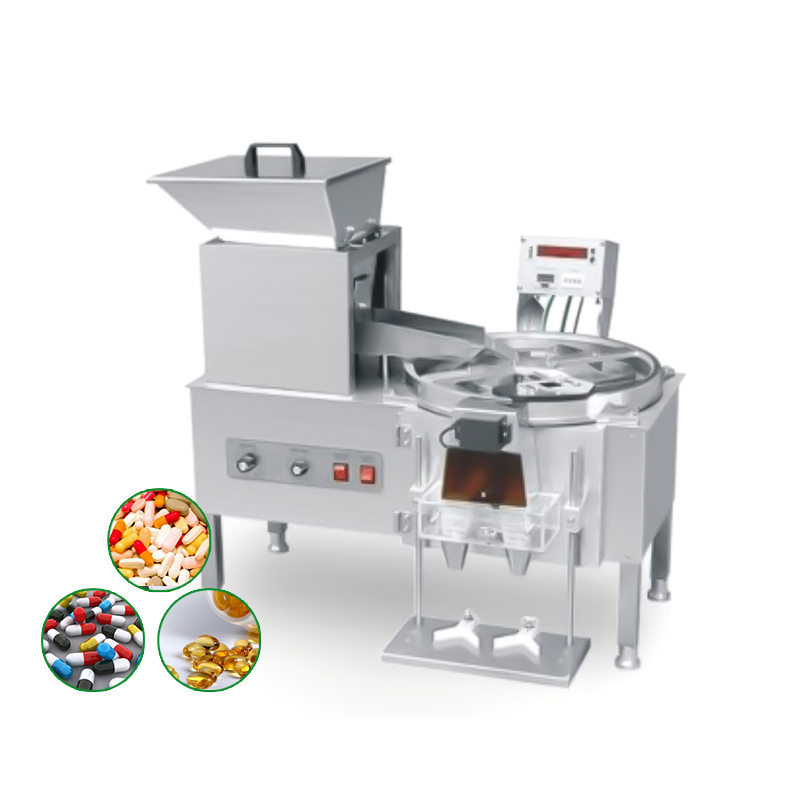
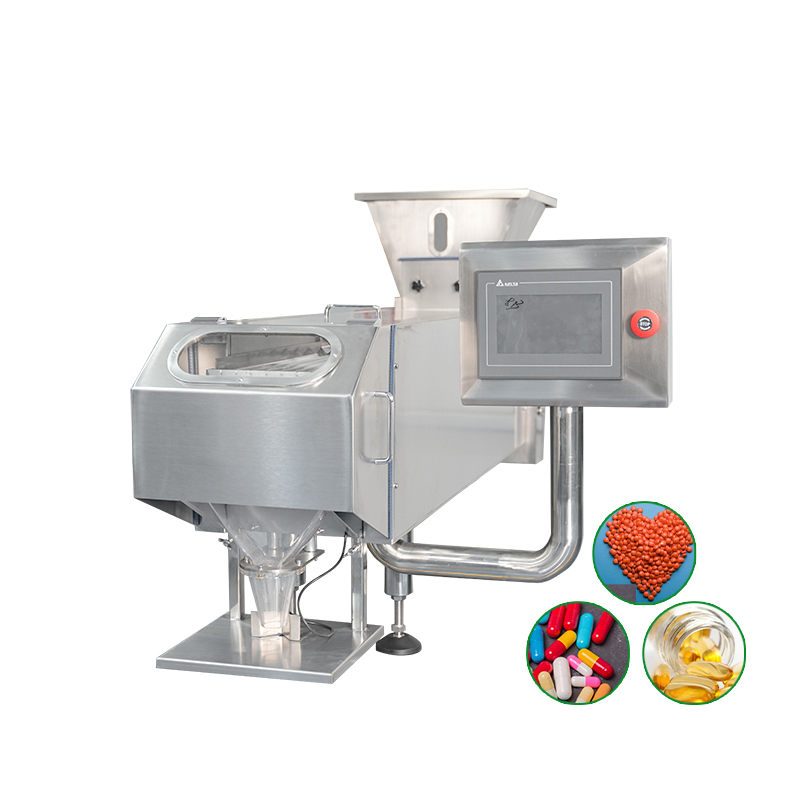
Semi-Auto Counting Machine Custom

About Us

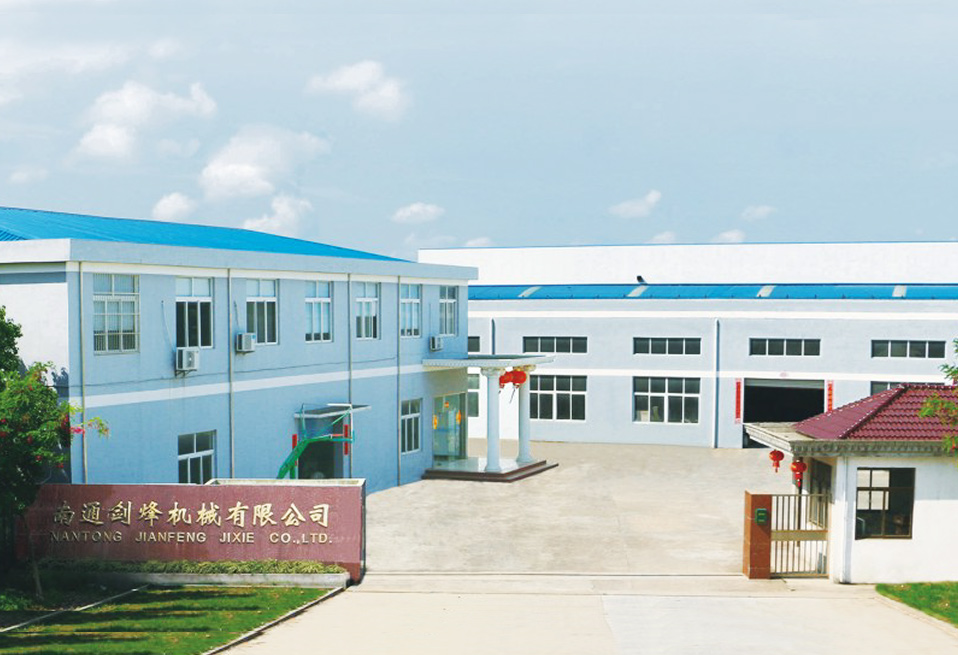
Nantong Jianfeng Machinery Co., Ltd. is a professional engaged in research and development, production, management of pharmaceutical and food machinery, science and technology enterprises. Founded in 1984, covers an area of 12000 squaremeters,construction area of 6000 square meters, with annual sales of more than 25 milion . With the professional design, R&D, manufacturing and installaton and commissioning team, has developed into a certain scale pharmaceutica supplier.

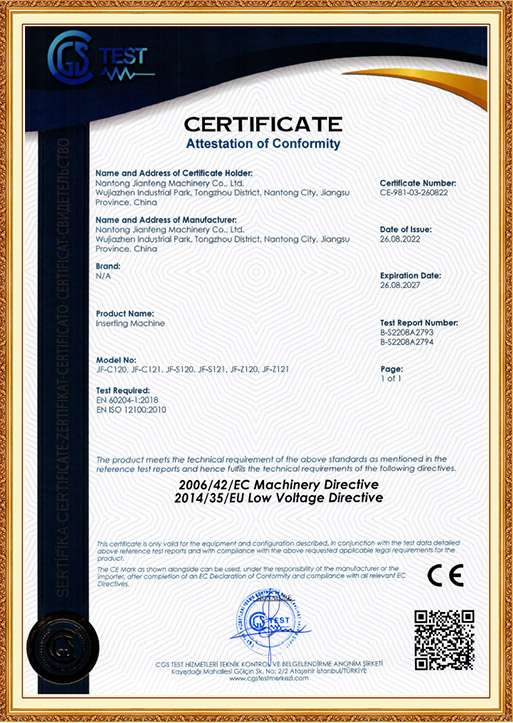
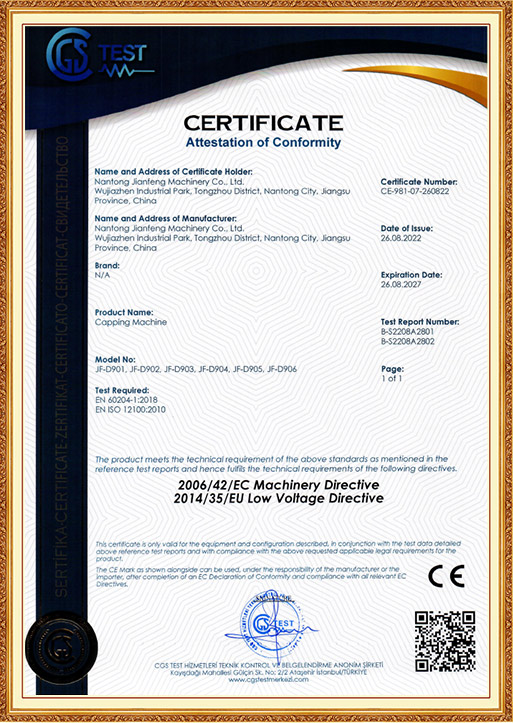
As China Semi-Auto Counting Machine Manufacturers and Semi-Auto Counting Machine Suppliers, Jianfeng Machinery has constantly transformation in recent years, product innovation, independent R & D and production of Cotton Stuffing Machine, Counting & bagging machine, Automatic machine for cotton ball, multifunctional labeling machine, capping(pressing) machine and etc,. In 2015 had passed the CE, ISO product certification, 2016 went on and certified 7 utility model patent issued by the State Property Bureau. We have been favored by customers with professional technology, high-quality products, professional manufacturing processes, outstanding management and intimate service, and won wide domestic and foreign markets.

We are located in Wujia industrial park, Tongzhou district .Nantong cityJiangsu province. Close to Shanghai, superior position and convenient trafic. ln this area full of opportunities, customers needs are the foundation of our survival and meeting customers needs is the driving force of our development. By holding the business philosophy of “customer centered, serving customers whole-heartedly” and sticking to the principle of “advanced technology ,elaborate manufacturing,truth-seeking and pragmatism, considerate service” ,our company provides high quality products and sincere service for customers. Our survival and development space will become wider only through continously innovating and surpassing ourselves.
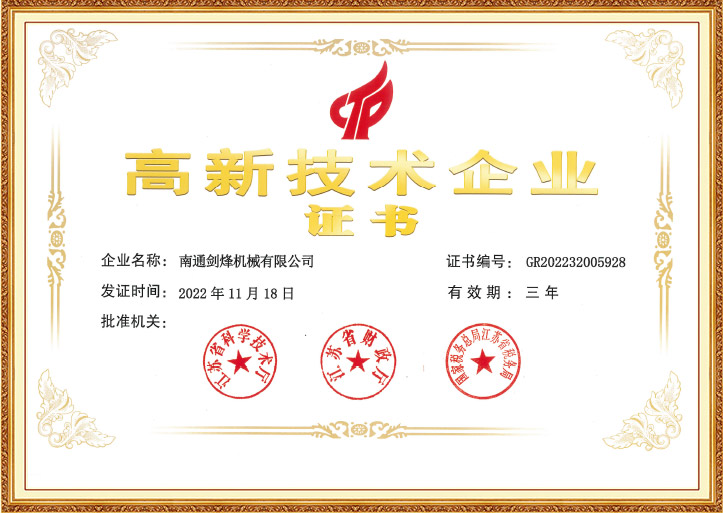
Honor

  • honor
    Patent Certificate
  • honor
    Patent Certificate
  • honor
    Patent Certificate
  • honor
    Patent Certificate
  • honor
    Patent Certificate
  • honor
    Patent Certificate

News

Contact us now

Semi-Auto Counting Machine

In today's fast-paced world, accuracy and efficiency are critical for success across many industries. From pharmaceutical manufacturing to retail inventory, businesses often deal with vast quantities of small items that need to be counted with precision. While manual counting is slow and prone to human error, and fully automatic systems can be costly and complex, semi-automatic counting machines offer a perfect middle ground. These versatile machines combine the speed of automation with the flexibility of manual operation, making them a crucial tool for enhancing productivity and ensuring the integrity of your inventory.

At Nantong Jianfeng Machinery Co., Ltd., we have been at the forefront of providing innovative and reliable machinery since 1984. As a professional enterprise specializing in pharmaceutical and food machinery, we understand the critical role that precise counting plays in maintaining quality and efficiency. Our commitment to continuous innovation and customer-centric solutions has led to the development of advanced counting and bagging machines, among many other products. With our rich experience and patented technologies, we are dedicated to helping businesses achieve greater accuracy and streamline their operations.

What is a Semi-Automatic Counting Machine?

A semi-automatic counting machine is a piece of equipment that automates the core counting process while still requiring manual input from an operator for tasks like feeding items or placing containers. Unlike fully manual counting, which is entirely human-powered and relies on physical trays or visual checks, the semi-automatic machine uses sophisticated technology to achieve speed and precision. The operator’s role is simplified to handling the material and finished goods, allowing the machine to do the intricate, repetitive work of counting.

The primary difference between these types of machines comes down to their level of automation:

Feature Manual Counting Semi-Automatic Counting Fully Automatic Counting
Counting Method Human-powered, physical trays Automated via sensors (e.g., optical) or weight Fully automated, integrated into a line
Labor Requirement High; operator handles all aspects Medium; operator loads materials and removes finished products Low; operator typically only monitors and maintains the line
Speed Slow, highly dependent on operator Fast, significantly increases throughput Extremely fast, can run 24/7
Accuracy Variable; highly prone to human error High; technology ensures accuracy Very high; consistent and reliable
Cost Low initial investment Moderate initial investment High initial investment
Flexibility High; adaptable for many items High; can be adjusted for different item types and bottle sizes Lower; requires more complex setup for changes

At the heart of a semi-automatic counter, you'll find a few key components:

  • Hopper: This is the container where bulk items are loaded by the operator.
  • Vibratory Feeder: This unit gently shakes the items from the hopper, separating them and guiding them into a single-file line.
  • Counting Mechanism: This is the core of the machine's intelligence. It uses sensors—often photoelectric or infrared—to detect each individual item as it passes by. These sensors are incredibly precise, ensuring an accurate count.
  • Control Panel/HMI (Human-Machine Interface): This interface, often a touch screen, allows the operator to set the desired count, monitor the process, and adjust parameters.
  • Discharge Chute: Once the target count is reached, the counted items are funneled through this chute into the waiting container.

Our semi-automatic counting machines at Nantong Jianfeng Machinery Co., Ltd., like the JF-B8, are designed with a user-friendly HMI that allows for easy control and parameter setting. The use of high-quality stainless steel (316 in material contact parts) ensures hygiene and durability, a testament to our commitment to providing professional, high-quality products for the pharmaceutical and food industries.

Benefits of Using Semi-Automatic Counting Machines

The adoption of a semi-automatic counting machine brings a range of significant advantages that directly impact a business's bottom line and operational quality. By moving away from purely manual methods, companies can achieve new levels of performance and reliability.

Increased Accuracy

Human error is an inevitable factor in any manual process, especially when dealing with large quantities of small items. Fatigue, distraction, and the sheer monotony of repetitive counting can lead to costly mistakes. Semi-automatic counting machines virtually eliminate this risk. Using precise sensors and digital technology, they ensure a perfect count every single time. This high level of counting accuracy is crucial for industries where a single miscount can have serious consequences, such as in pharmaceuticals for patient safety or in manufacturing for inventory reconciliation.

Improved Efficiency

Speed is a primary benefit. A task that might take a person an hour to complete can be done in a matter of minutes with a semi-automatic counter. The machines are designed for high-speed operation, separating and counting items far faster than any human can. This dramatically speeds up the counting process and enhances overall throughput, allowing for quicker packaging, more rapid order fulfillment, and a streamlined workflow. This increased speed frees up personnel to focus on more complex, value-added tasks.

Cost Savings

While there is an initial investment, the long-term cost savings are substantial.

  • Reduced Labor Costs: By automating the counting task, you can reallocate staff to other areas, or handle a larger volume of work with the same team, avoiding the need for additional hires.
  • Minimized Waste and Errors: Miscounting can lead to overfilling or underfilling, resulting in wasted product and potential financial loss or customer dissatisfaction. The machine's accuracy minimizes this waste.
  • Streamlined Inventory Management: Accurate counts mean better data. This leads to more efficient inventory management, preventing over-ordering or stockouts and improving overall profitability.

Versatility

Semi-automatic machines are not single-purpose tools. They are highly adaptable and can be configured to count a wide variety of products. The key to their versatility lies in the adjustable settings and interchangeable parts. For example, a single machine can be used to count different sizes of tablets, various electronic components, or even different types of small hardware. This adaptability makes them a valuable asset for businesses with diverse product lines.

For instance, our machines at Nantong Jianfeng Machinery Co., Ltd. are a testament to this versatility. We have engineered counting and bagging machines capable of handling everything from pharmaceutical products to small hardware parts, ensuring that our clients get a multi-functional solution that grows with their needs. Our specialized machines for cotton balls and cotton stuffing machines also showcase our dedication to providing precise solutions for specific industries. This focus on product innovation is what has enabled us to secure multiple utility model patents and earn the trust of customers both domestically and abroad.

Types of Semi-Automatic Counting Machines

The world of semi-automatic counting machines is diverse, with different models designed to address specific product characteristics and industry needs. The main distinction between these machines lies in the technology they use to achieve an accurate count.

Optical Counting Machines

Optical counting machines are arguably the most common and versatile type of semi-automatic counter. They operate on the principle of using infrared or photoelectric sensors to detect individual items as they pass through a designated counting area.

  • How They Work: Items are fed from a hopper onto a vibratory feeder that separates and singulates them into a single file. As each item drops off the end of the feeder, it breaks a light beam from an infrared sensor. The machine's processor registers this interruption as a single count. This method is incredibly fast and highly accurate for most products.
  • Best For: This technology is ideal for products with consistent size and shape, such as tablets, capsules, candies, and electronic components. Its accuracy is not affected by variations in product weight.

Weight Counting Machines

Weight counting machines, often referred to as counting scales, determine the quantity of items by their total weight. This method is based on the assumption that all items being counted have a uniform, or at least a very consistent, average weight.

  • How They Work: The operator first places a sample of items (e.g., 10 or 20 pieces) on the scale's platform. The machine then calculates the average weight of a single piece. After the sample is removed, the operator places the bulk quantity on the scale. The machine divides the total weight of the bulk items by the previously calculated average weight of a single piece to arrive at the total count.
  • Best For: This is a cost-effective solution for counting items where individual pieces are identical in weight, like screws, nuts, bolts, or uniform electronic parts. It is less suitable for products with significant weight variations, as this will lead to inaccurate counts.

Parameter Comparison: Optical vs. Weight Counting

Feature Optical Counting Machines Weight Counting Machines
Counting Principle Counts each physical item as it passes a sensor. Calculates count based on total weight and average piece weight.
Accuracy Extremely high (often >99.9%), not affected by weight variance. High, but sensitive to variations in individual item weight.
Speed Very fast; can count thousands of items per minute. Slower; requires a sample count and is limited by loading speed.
Product Suitability Excellent for tablets, capsules, small parts, and items with inconsistent weight. Best for products with uniform weight, such as hardware and fasteners.
Setup Relatively simple, typically requires minor adjustments for item size. Requires a sample count and tare function for each batch.

At Nantong Jianfeng Machinery Co., Ltd., our advanced optical counting technology is integrated into our machines, providing an unmatched level of precision. For instance, our tablet and capsule counters use high-speed infrared sensors to ensure that every single pill is accurately counted, a feature that is essential for maintaining strict quality control in the pharmaceutical and nutraceutical industries. Our commitment to continuous innovation and the use of cutting-edge technology allows us to provide solutions that meet the diverse and exacting standards of modern manufacturing.

Applications of Semi-Automatic Counting Machines

The versatility and precision of semi-automatic counting machines make them indispensable tools across a wide range of industries. By streamlining a core process—counting—these machines help businesses improve efficiency, ensure quality, and manage inventory more effectively.

Pharmaceutical Industry

In the pharmaceutical sector, accuracy is non-negotiable. Semi-automatic counting machines are a cornerstone of pill counting and packaging operations. They are used to count tablets, capsules, softgels, and other forms of medication with extreme precision. This is critical for patient safety, dosage accuracy, and complying with regulatory standards. The machines help to prevent over-filling or under-filling of bottles, ensuring every container has the exact number of pills specified on the label.

Food Industry

From small candies and nuts to seeds and frozen vegetables, the food industry handles countless small, uniform items. Semi-automatic counters are used to portion and package these products into bags or containers, ensuring consistent serving sizes and accurate inventory. This application helps to reduce product giveaway and maintain brand reputation by guaranteeing a consistent consumer experience.

Electronics Industry

The manufacturing of electronic components requires the handling of thousands, if not millions, of tiny parts like resistors, capacitors, and microchips. Semi-automatic counters are used for:

  • Component Counting: Quickly and accurately counting parts for assembly kits.
  • Inventory Management: Taking stock of small, high-value components in storage.
  • Kitting: Assembling a predetermined number of parts for a specific product build.

Retail

In retail environments, semi-automatic counters are most commonly seen as coin counters. These machines are used in back-office operations to quickly and accurately count and sort coins from cash registers, making end-of-day reconciliation faster and more reliable. They can also be used for inventory management of small items, such as buttons, beads, or small hardware in a store's stockroom.

Manufacturing

The manufacturing sector relies on these machines for a variety of tasks related to small parts and hardware. Whether it's counting screws, bolts, washers, or other fasteners for a parts kit or a larger assembly, a semi-automatic counter significantly accelerates the process. This application is crucial for production lines, ensuring that every kit has the correct number of components and preventing delays due to shortages.

At Nantong Jianfeng Machinery Co., Ltd., our expertise in pharmaceutical and food machinery has allowed us to develop specialized solutions that cater to these demanding applications. Our counting and bagging machines are engineered with precision and reliability in mind, meeting the high standards required by these industries. The CE and ISO product certifications we received in 2015 are a testament to our commitment to providing safe and effective machinery that supports critical operations, from pill counting for health and safety to parts counting for manufacturing efficiency.

How to Choose the Right Semi-Automatic Counting Machine

Selecting the right semi-automatic counting machine is a crucial business decision. The ideal machine will not only meet your current operational needs but also offer the reliability and versatility to adapt to future demands. Here are the key factors to consider to ensure you make an informed choice:

1. Consider Your Specific Needs and Applications

Before you even begin looking at machines, clearly define your requirements.

  • What are you counting? The type of item (e.g., tablets, capsules, electronics, hardware) will dictate the most suitable counting technology.
  • What is your target output? Consider the volume of items you need to count per hour or per day. This will help you determine the required speed and capacity.
  • What is the product's value? High-value products, such as pharmaceutical pills, require a machine with the highest possible accuracy to minimize costly errors.

2. Evaluate the Types of Items to Be Counted

The physical characteristics of your products—such as size, shape, weight, and surface properties—are paramount.

  • Size and Shape: Look for a machine with a feeding system that can handle your items without jamming. A vibratory feeder with adjustable settings is often the best choice for this.
  • Weight and Uniformity: If your items have a consistent weight (e.g., standard screws), a weight counting machine could be a cost-effective solution. However, if there are weight variations, an optical counting machine is the only way to guarantee accuracy.
  • Dust and Debris: For products that generate dust, like uncoated tablets, a machine with a dust-handling system is essential to prevent sensor interference and maintain accuracy.

3. Assess the Required Counting Speed and Accuracy

While speed is a significant benefit of semi-automatic machines, it should never come at the expense of accuracy.

  • Accuracy: For critical applications, seek out machines with a proven accuracy rate of 99.9% or higher. Ask for a demonstration or a sample count to verify performance with your specific product.
  • Speed (Throughput): Evaluate the machine's stated "counts per minute" or "bottles per minute" and compare it to your production goals. Remember that the overall efficiency is a combination of the machine's speed and the operator's ability to feed items and change containers.

4. Check for Ease of Use and Maintenance

A machine that is difficult to operate or clean can negate its efficiency benefits.

  • User Interface: Look for an intuitive control panel, preferably a touchscreen, that allows for quick and easy parameter settings and real-time monitoring.
  • Maintenance: A well-designed machine should be easy to clean and maintain, especially in industries with strict hygiene standards like pharmaceuticals. Look for features like a modular design and tool-free disassembly for fast changeovers and sanitation.

5. Consider the Machine's Capacity and Footprint

  • Hopper Capacity: A larger hopper allows the operator to load more items at once, reducing the frequency of refills and improving workflow.
  • Footprint: Ensure the machine's physical size fits comfortably within your available workspace.

At Nantong Jianfeng Machinery Co., Ltd., we design our semi-automatic counting machines with these considerations at the forefront. Our product development is centered on creating machinery that is not only robust and reliable but also user-friendly and easy to maintain. For example, the use of stainless steel and modular components in our machines reflects our commitment to durability and ease of cleaning, which is essential for our clients in the pharmaceutical and food industries. Our machines, developed through decades of experience and patented innovation, are built to provide a long-term, high-value solution for your counting needs.

Maintenance and Care Tips

Investing in a semi-automatic counting machine is a significant step toward improving your operations. To protect this investment and ensure its continued high performance and long lifespan, routine maintenance is essential. Simple, consistent care can prevent costly breakdowns and maintain the machine's accuracy.

Regular Cleaning Procedures

Dust, product residue, and other debris are the primary enemies of a counting machine's precision. A strict cleaning regimen is vital.

  • Daily Cleaning: At the end of each shift or workday, remove all residual products from the hopper, vibratory feeder, and discharge chute. Use a soft brush or a lint-free cloth to wipe down all contact surfaces.
  • Sensor Care: The optical sensors are the machine's "eyes." Even a thin layer of dust can interfere with their ability to count accurately. Gently clean the sensor lenses with a specialized, non-abrasive cloth or an air blower to remove any particles.
  • Preventive Cleaning: Never allow dust or product buildup to accumulate. A proactive approach to cleaning prevents small issues from becoming major problems.

Calibration Guidelines

Calibration ensures that the machine's counting mechanism is perfectly synchronized with the product it is counting. While optical counters are less prone to needing frequent calibration than weight-based counters, it's still a critical part of maintenance.

  • Routine Verification: Regularly verify the machine's accuracy by running a test count of a known quantity of items (e.g., 100 or 500 pieces). If the counted number is consistently off, it may be time for a minor adjustment or full calibration.
  • Follow the Manual: Always adhere to the manufacturer's specific calibration instructions. These procedures are tailored to the unique design of the machine and its sensors.
  • Expert Calibration: For complex issues or after a major repair, consider having the machine calibrated by a trained technician to ensure optimal performance.

Troubleshooting Common Issues

Despite the best care, machines can encounter issues. Knowing how to troubleshoot common problems can save valuable time and money.

  • Inaccurate Counts: The most frequent cause is a dirty or obstructed sensor. A thorough cleaning of the counting mechanism and sensors is the first step. Also, check that the vibratory feeder is properly adjusted to ensure items are passing in a single file.
  • Product Jams: Jams often occur due to improper feeder settings, allowing items to clump together. Adjusting the vibration intensity and chute angle can often solve this problem. Overfilling the hopper can also lead to jams, so be mindful of the machine's capacity.
  • Unusual Noises: Squealing, grinding, or rattling can indicate a mechanical problem, such as loose components or worn belts and bearings. Power down the machine immediately and inspect it for any visible issues.

At Nantong Jianfeng Machinery Co., Ltd., we understand that a machine's performance is tied directly to its maintenance. That's why our machines are designed for simple, user-friendly maintenance, with easy-access components and clear instructions. We provide comprehensive manuals and, importantly, professional after-sales service and support. Our team is always available to help clients with troubleshooting and maintenance, ensuring that our machines—and our customers' operations—continue to run smoothly. This commitment to service is part of the "customer-centered" business philosophy that has guided our company since 1984.